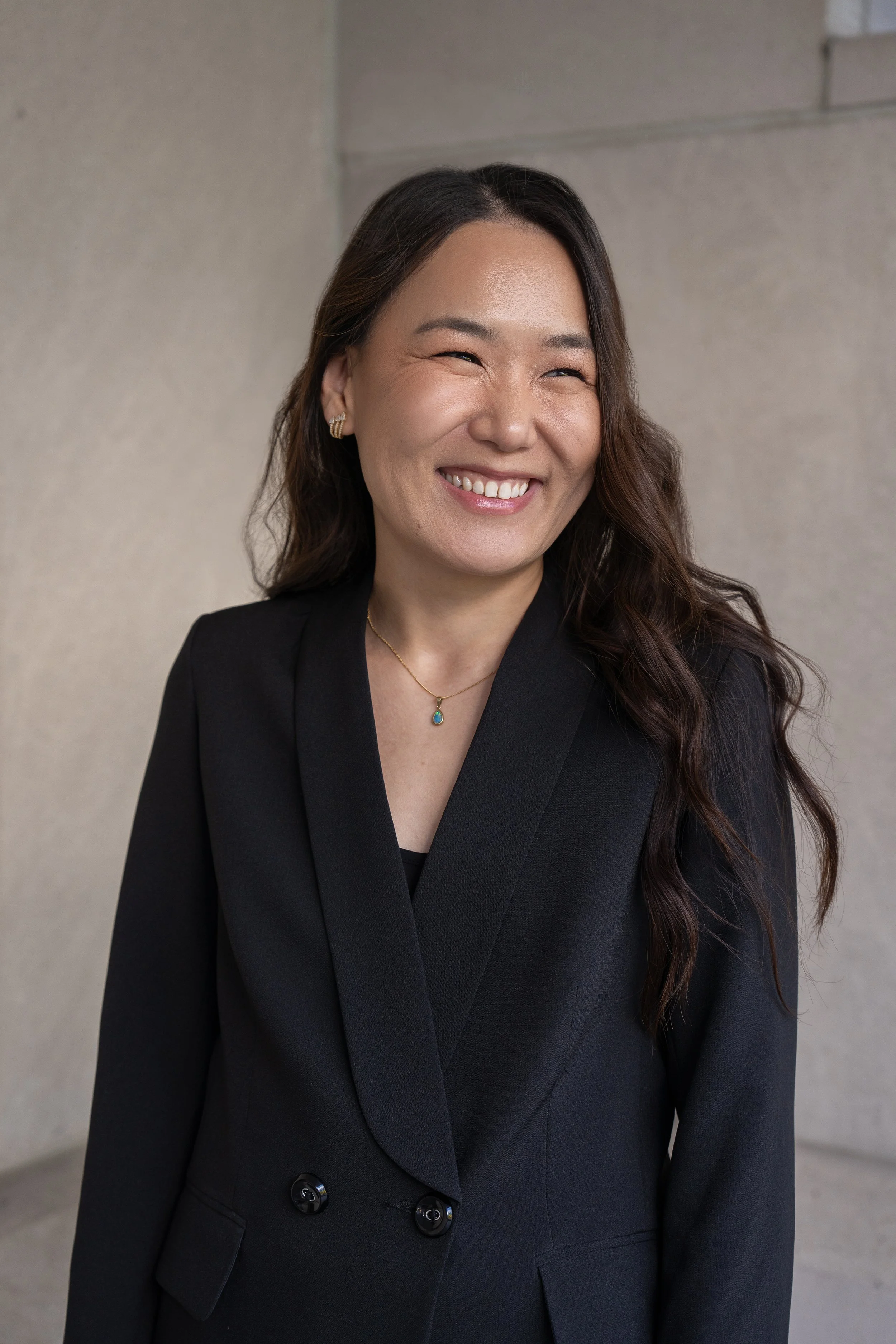
Dr.Batbold’s Education
During her neurosurgical residency at the University of Chicago Medicine, Dr. Batbold developed expertise in spinal trauma, spinal oncology, minimally invasive spine surgery, and robotic spine surgery. She then completed advanced fellowship training in Complex Spine Surgery at the University of California, San Francisco (UCSF), uniquely combining the strengths of neurosurgical and orthopedic spine surgery. This comprehensive training allows her to offer patients a broad range of treatment options, with each recommendation tailored to their anatomy, condition, lifestyle, and goals.
Dr. Batbold earned her MD and PhD in Cell and Developmental Biology from SUNY Upstate Medical University, followed by graduate training in public health and outcomes research from University of Chicago, culminating in her MPH. This combination of scientific, clinical, and outcomes research training allows her to critically evaluate emerging evidence and thoughtfully apply it to individualized patient care, ensuring that each recommendation is grounded in the best available evidence while remaining focused on the unique needs and goals of the individual patient.
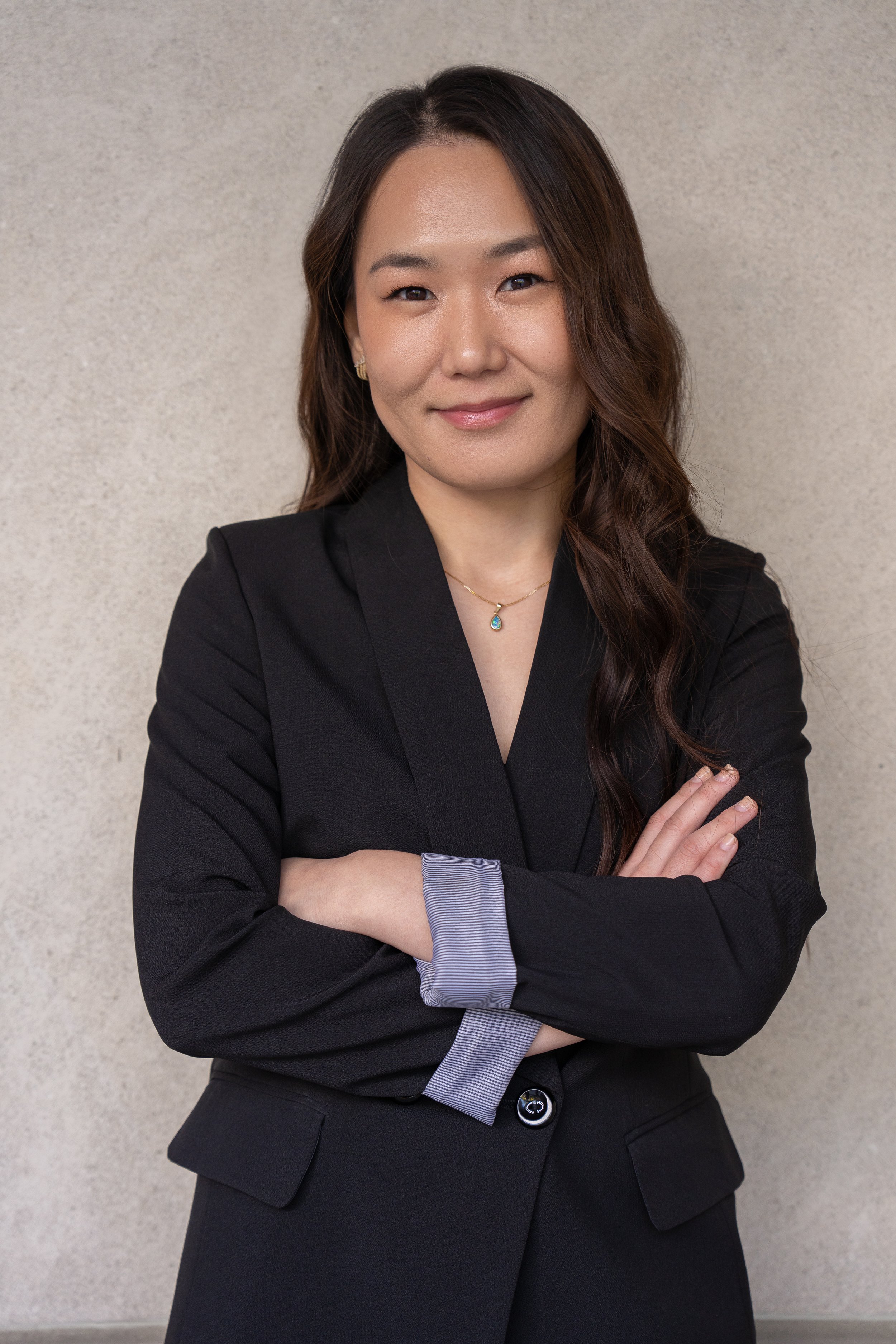
Dr.Batbold’s Philosophy
Every patient arrives with a unique story, and every spine reflects a lifetime of movement, adaptation, and experiences. My first responsibility is to understand not only what is happening to your spine, but also how it is affecting your life and what you hope to return to.
I believe the best decisions are made when patients truly understand their own bodies. My role is to help every patient understand what is happening, why it is happening, and the treatment options available to them. Together, we can make thoughtful decisions that align with their goals, values, and the life they want to return to, creating a treatment plan that is uniquely their own.
My philosophy is to preserve and strengthen what your spine already does well whenever possible, restoring function while maintaining as much of your natural anatomy and motion as is safely achievable. Treatment should begin with the least invasive option that can meaningfully restore function. When surgery becomes necessary, I believe motion-preserving procedures should be considered whenever they are appropriate. Fusion remains one of the most powerful tools in spine surgery, but it should be performed when it offers the safest and most durable solution for each individual patient. No single procedure is right for every patient because no two patients are exactly alike. My responsibility is to recommend the treatment that best fits the individual sitting in front of me.
For those who have already undergone spine surgery, I believe it is rarely the end of the road. Revision surgery is among the most challenging areas of spine care, often requiring a thoughtful understanding of prior operations and the full spectrum of surgical approaches. With careful evaluation and individualized planning, many patients can still regain function and improve their quality of life.
Every patient has a different destination. My responsibility is to help them find the safest and most durable path to get there.